Complete Medical Waste Removal Service: Smooth Disposal for Health Care Facilities
Wiki Article
Conformity and Laws for Medical Waste Disposal
Conformity and laws for medical garbage disposal play a crucial role in ensuring the safety and security and health of both medical care specialists and the public. Correct management of clinical waste is important to protect against the spread of infections, protect the atmosphere, and preserve public wellness. This needs adherence to specific standards and procedures established forth by regulatory agencies and bodies. These regulations include different aspects, consisting of the classification and segregation of clinical waste, correct storage space and dealing with procedures, in addition to transport and disposal methods. By following these policies, health care centers can lessen the risk of contamination and prospective injury to individuals and the setting. This write-up will certainly check out the significance of conformity and give an overview of the key regulations controling clinical waste disposal.Value of Compliance
The value of compliance with regulations for medical waste disposal can not be overemphasized. Proper disposal of clinical waste is vital for making certain the security and well-being of healthcare workers, individuals, and the public. Clinical waste, which consists of items such as made use of needles, polluted handwear covers, and biomedical waste, can pose severe wellness risks otherwise handled and taken care of appropriately.Compliance with policies ensures that medical waste is managed in a manner that lessens the capacity for direct exposure to hazardous materials and transmittable conditions - medical waste removal. It helps protect against the spread of infections, such as HIV, hepatitis B and C, and various other bloodborne virus. Compliance also plays a vital role in protecting the environment by stopping contamination of water sources, soil, and air
Failing to conform with laws can lead to extreme repercussions for medical care facilities, including penalties, legal activity, and damage to their reputation. Additionally, non-compliance might endanger the health and wellness of health care workers, patients, and the community.
Conformity with laws for clinical waste disposal requires adherence to specific standards and methods. These may include proper partition, packaging, labeling, and storage of medical waste. It additionally includes making use of accepted disposal techniques, such as autoclaving, landfilling, or incineration, depending upon the kind of waste.
Governing Agencies and Bodies
Governing agencies and bodies play a crucial role in overseeing conformity with policies for clinical waste disposal. These companies are accountable for establishing procedures, criteria, and standards to ensure the risk-free and correct handling of clinical waste. They enforce and monitor conformity to shield public health and wellness and the environment.Among one of the most popular regulative companies in the United States is the Epa (EPA) The EPA is in charge of controling the storage, transport, treatment, and disposal of medical waste. They establish guidelines for waste generators, carriers, and therapy facilities to comply with, making certain that all essential safety measures are required to prevent the spread of diseases and contamination.
An additional important regulative body is the Occupational Security and Health Management (OSHA) OSHA sets policies and standards to secure employees from work-related threats, consisting of those associated to clinical waste. WasteX Medical Waste Disposal. They supply standards for the risk-free handling and disposal of medical waste to shield workers in health care centers
In enhancement to these federal companies, private states additionally have their very own governing bodies that look after clinical garbage disposal. These agencies may have their very own details laws and requirements that have to be complied here are the findings with.
Category and Segregation of Clinical Waste
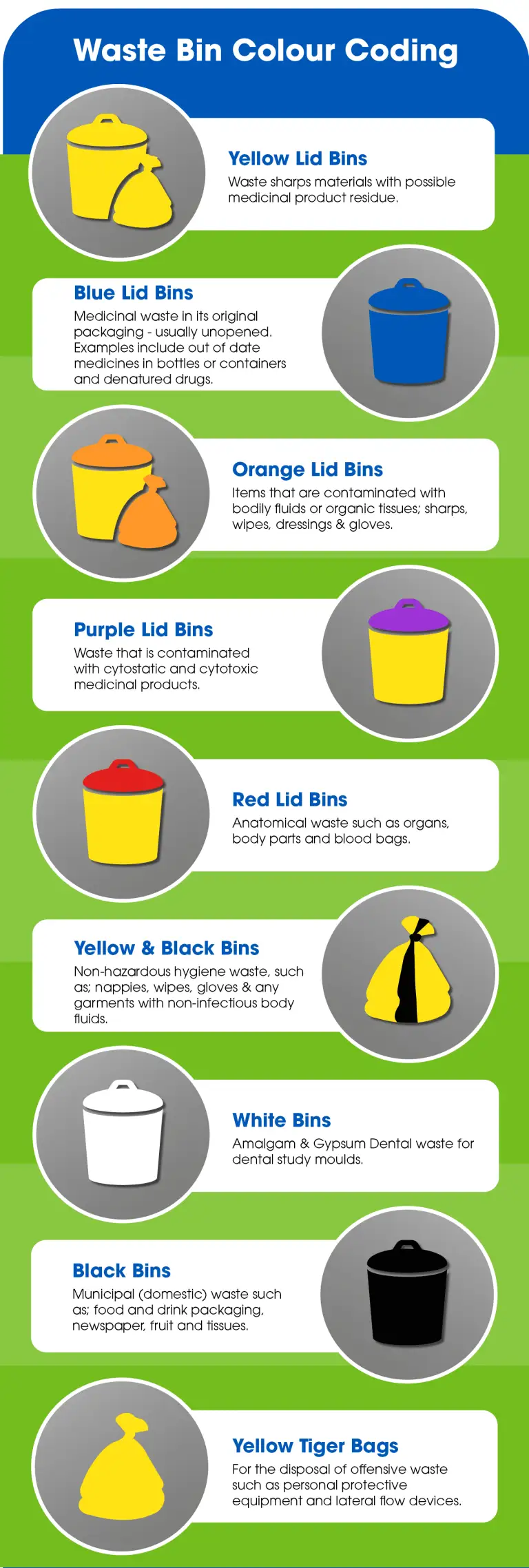
To make certain correct administration of medical waste, it is necessary to categorize and segregate it according to developed protocols and guidelines. medical waste removal. Category and partition play a vital function in minimizing the danger of infection, securing the environment, and making sure the safety of healthcare workers and the publicMedical waste is identified right into different categories based on its prospective risk level. These groups consist of contagious waste, pathological waste, sharps waste, pharmaceutical waste, chemical waste, and radioactive waste. Each group requires particular handling, transport, disposal, and storage approaches to reduce the danger of exposure and contamination.
Segregation of clinical waste includes dividing different sorts of waste at the source. This process makes certain that waste with different threat degrees is not blended, decreasing the possibility for cross-contamination and making disposal treatments more reliable. Correct partition is achieved through the usage of color-coded tags and containers, which assist healthcare employees and waste administration workers manage each kind and determine of waste appropriately.
In addition to category and segregation, health care centers have to likewise stick to local, state, and federal regulations regarding medical waste administration. These laws detail specific needs for storage, transport, therapy, and final disposal of clinical waste, ensuring compliance and maintaining public health and wellness and safety.
Proper Storage and Handling Procedures
Proper storage and dealing with procedures play a crucial role in ensuring the compliant and safe administration of medical waste. Clinical waste, that includes things such as used syringes, polluted gloves, and expired medications, can present serious health and ecological dangers otherwise handled appropriately. It is important for health care centers and various other generators of medical waste to apply rigorous storage space and handling methods.
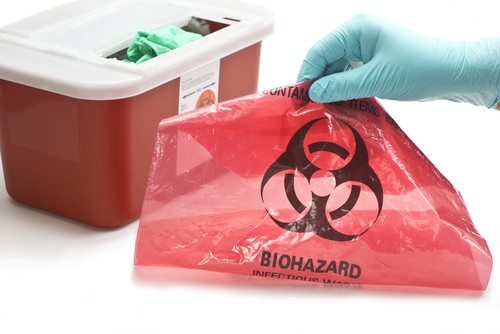
To start with, clinical waste must be kept in sturdy, watertight containers that are particularly developed for this function. These containers need to be identified with the universal biohazard symbol and words "medical waste" to plainly indicate the contents. In addition, the containers ought to be kept firmly shut to avoid any potential leak or splilling.
Moreover, it is important to set apart different sorts of clinical waste to avoid cross-contamination. Sharps, such as scalpels and needles, ought to be saved in puncture-resistant containers to lessen the danger of injuries - WasteX Medical Waste Disposal. Chemical waste, such as anti-bacterials and solvents, should be kept separately from other kinds of clinical waste to avoid unsafe direct exposures or chemical responses
Transport and Disposal Methods
Medical care centers have to ensure the risk-free transportation and proper disposal of their medical waste to adhere to guidelines and protect public wellness. Transport and disposal techniques play a vital duty in avoiding the spread of transmittable conditions and decreasing the ecological impact of medical waste.
To transport medical waste, healthcare facilities should utilize leak-proof and puncture-resistant containers that are identified with the biohazard icon. These containers ought to be safely secured to avoid any kind of leak during transport. Additionally, medical care centers must develop protocols for the transportation process, consisting of making use of experienced employees and dedicated vehicles.
When the clinical waste gets to the disposal facility, it undergoes different techniques of treatment - WasteX Medical Waste Disposal. One typical approach is incineration, which involves shedding the waste at high temperature levels to damage pathogens and decrease the quantity of waste.
It is crucial for health care centers to work with licensed and allowed waste administration firms to ensure proper transport and disposal of clinical waste. These firms have the expertise and sources to handle medical waste securely and in compliance with policies.
Final Thought
In conclusion, compliance with regulations for medical waste disposal is of utmost value to make sure public wellness and safety. Overall, adherence to conformity and regulations is essential to effectively take care of medical waste.Medical waste, which includes things such as utilized needles, infected handwear covers, and biomedical waste, can present significant wellness risks if not taken care of and disposed of appropriately.
These categories consist of infectious waste, pathological waste, sharps waste, pharmaceutical waste, chemical waste, and radioactive waste.Partition of clinical waste includes separating various kinds of waste at the source. Correct segregation is attained through the use of color-coded tags and containers, which assist healthcare workers and waste monitoring personnel recognize and manage each kind of waste properly.
Chemical waste, such as solvents and anti-bacterials, must be saved separately from various other kinds of medical waste to avoid harmful exposures or chemical reactions.
Report this wiki page